


If you’re planning a trip, considering relocation, or simply curious about life in Alaska, understanding Palmer Alaska weather year round is essential. Located in the heart of the Matanuska Valley, Palmer experiences a true four-season climate that is both dramatic and beautiful. From long, snowy winters to surprisingly warm summers with extended daylight, the weather in Palmer plays a major role in daily life, travel plans, and outdoor activities.
This detailed guide explores Palmer Alaska weather by month, helping you understand what to expect throughout the year. Whether you’re visiting for winter adventures, summer hiking, or fall foliage, this article will give you a clear, practical picture of Palmer’s climate.
Understanding Palmer’s Climate
Palmer has a subarctic climate, influenced by its inland location and surrounding mountain ranges. Unlike coastal Alaskan cities such as Anchorage or Seward, Palmer tends to be colder in winter and warmer in summer, with lower overall precipitation.
Key characteristics of Palmer Alaska weather year round include:
- Cold, snowy winters
- Mild to warm summers
- Low humidity
- Significant daylight variation between seasons
- Clear skies compared to coastal Alaska
Because Palmer is protected by mountains, it often experiences less cloud cover and more sunshine than other parts of Southcentral Alaska.
Palmer Alaska Weather by Season
Before diving into monthly details, it helps to understand the broader seasonal patterns.
Winter (November to March)
Winter in Palmer is long, cold, and snowy. Temperatures often fall well below freezing, and daylight hours are limited. However, winter also brings crisp air, snow-covered landscapes, and excellent conditions for winter sports.
Spring (April to May)
Spring arrives slowly. Snow melts, temperatures rise gradually, and daylight increases rapidly. This is a transitional season, with lingering cold nights and milder daytime weather.
Summer (June to August)
Summers are surprisingly warm and dry. Long daylight hours sometimes nearly 20 hours a day create ideal conditions for outdoor activities, farming, and sightseeing.
Fall (September to October)
Fall is short but stunning. Cooler temperatures, vibrant foliage, and early snowfall mark the transition back to winter.
Palmer Alaska Weather by Month
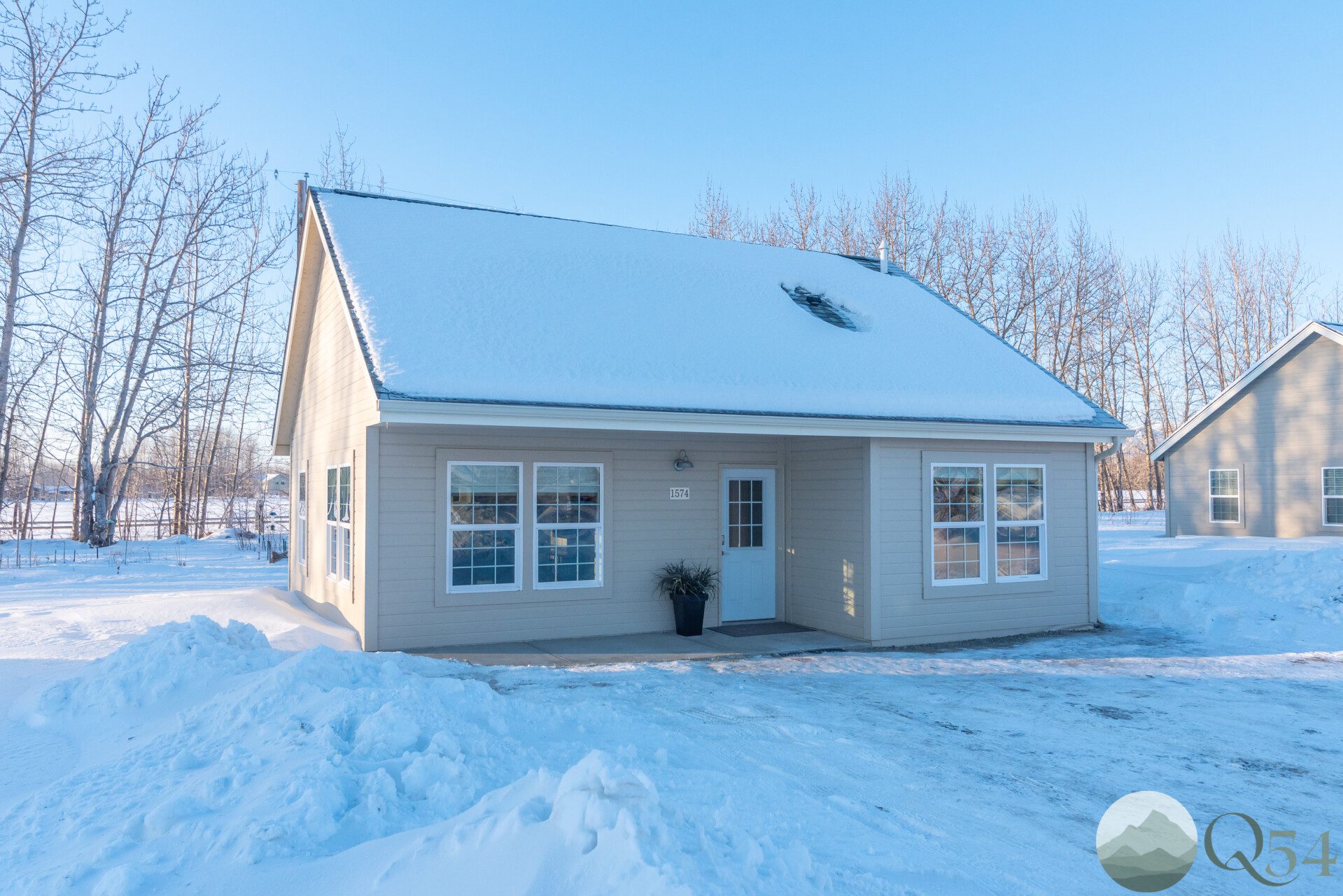
January: Cold and Quiet
January is typically the coldest month of the year in Palmer.
- Average highs: 15°F to 20°F
- Average lows: -5°F to 5°F
- Snowfall: Heavy and consistent
- Daylight: About 5–6 hours per day
January weather is ideal for snowmobiling, cross-country skiing, and viewing frosty winter landscapes. Clear nights often bring spectacular star-filled skies.
February: Bright and Snowy
February remains cold but begins to feel brighter as daylight increases.
- Average highs: 20°F to 25°F
- Average lows: 0°F to 10°F
- Snowfall: Moderate to heavy
- Daylight: Around 8–9 hours
The longer days make winter activities more enjoyable, and temperatures are often more stable than in January.
March: The Start of Spring Light
March marks the beginning of noticeable seasonal change.
- Average highs: 30°F to 35°F
- Average lows: 10°F to 20°F
- Snowfall: Still common
- Daylight: 11–12 hours
While snow remains on the ground, the sun feels warmer, and locals begin preparing for spring.
April: Snowmelt and Transition
April is a true transition month in Palmer Alaska weather year round.
- Average highs: 40°F to 45°F
- Average lows: 20°F to 30°F
- Precipitation: Light snow and rain
- Daylight: About 14 hours
Snow begins melting rapidly, creating muddy conditions. It’s a quieter time for tourism but a sign that warmer days are ahead.
May: Spring Comes Alive
May brings visible signs of spring.
- Average highs: 55°F to 60°F
- Average lows: 35°F to 40°F
- Precipitation: Light rain
- Daylight: 16–18 hours
Trees begin to leaf out, wildlife becomes more active, and hiking trails start opening up. It’s one of the most pleasant months to experience Palmer.
June: Long Days and Mild Weather
June marks the beginning of summer and near-constant daylight.
- Average highs: 65°F to 70°F
- Average lows: 45°F to 50°F
- Precipitation: Low
- Daylight: Up to 19 hours
June is ideal for outdoor adventures, farming activities, and exploring nearby glaciers and trails.
July: Warmest Month of the Year
July is typically the warmest month in Palmer.
- Average highs: 70°F to 75°F
- Average lows: 50°F to 55°F
- Precipitation: Light rain possible
- Daylight: 18–19 hours
This is peak travel season. Farmers’ markets, festivals, and long hiking days define July weather in Palmer Alaska.
August: Cooling Slightly
August begins the transition toward fall.
- Average highs: 65°F to 70°F
- Average lows: 45°F to 50°F
- Precipitation: Slight increase
- Daylight: 15–16 hours
The weather remains comfortable, and berry picking becomes popular. Nights start to cool noticeably.
September: Crisp Fall Weather
September is a favorite month for many visitors.
- Average highs: 55°F to 60°F
- Average lows: 35°F to 40°F
- Precipitation: Moderate rain
- Daylight: 12–13 hours
Fall colors peak, and the air turns crisp. Early snowfall is possible toward the end of the month.
October: Early Winter Feel
October brings rapid changes.
- Average highs: 40°F to 45°F
- Average lows: 25°F to 30°F
- Snowfall: Increasing
- Daylight: 9–10 hours
Snow often returns, and temperatures drop quickly. Many outdoor attractions begin closing for winter.
November: Winter Returns
November marks the start of full winter conditions.
- Average highs: 25°F to 30°F
- Average lows: 10°F to 15°F
- Snowfall: Frequent
- Daylight: 6–7 hours
Days become short, and Palmer settles into a quiet winter rhythm.
December: Cold and Festive
December is cold but festive, with holiday lights brightening the dark days.
- Average highs: 15°F to 20°F
- Average lows: 0°F to 5°F
- Snowfall: Heavy
- Daylight: 5–6 hours
Despite limited daylight, December offers beautiful winter scenery and peaceful surroundings.
How Palmer Weather Affects Travel Plans
Understanding Palmer Alaska weather year round helps visitors plan better trips:
- Best time to visit: June through August for warm weather and outdoor activities
- Best for winter sports: January through March
- Best for photography: September for fall colors, February for winter light
Packing appropriately for seasonal conditions is essential, especially during winter months.
Final Thoughts: What Makes Palmer’s Weather Unique
Palmer’s climate is one of contrasts long, cold winters balanced by bright, warm summers. The dramatic seasonal shifts define life in the Matanuska Valley and create opportunities for year-round adventure.
Whether you’re exploring Palmer Alaska weather by month or simply curious about what living in Alaska feels like, Palmer offers a genuine, immersive experience shaped by its weather.
If you’re planning a visit, understanding Palmer’s weather patterns will help you make the most of every season no matter when you arrive.
